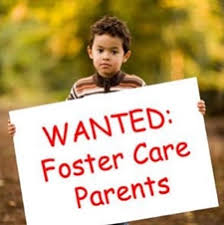
What is a FOSTER PARENT?

Foster Parents are individuals, or married couples, who complete the steps to become licensed to serve as caretakers for foster children. It may also be a misnomer as a foster parent is NOT a parent in the legal sense of the word…
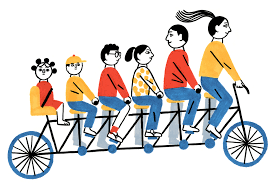
Foster Parents #1 priority should be taking care of the child for the eventual return of the child to his/her parent(s). Foster Parents have to work with birth families. It is possible for Foster parents to adopt ONLY in situations where the parental rights are terminated, or the parents die, and there are not relatives or fictive kin alternatives. This means that reunification with their families is NOT possible. However, ADOPTION must be the plan for this to even be possible. Don’t sign up to be a foster parent if your ultimate goal is adoption. There are a lot of children that you can adopt right now!

Reunification with the natural parent is ALWAYS the preferred result and first priority. Second is placement with a relative or even a “fictive kin.” Once, ALL other alternatives are exhausted, then a Foster Parent adoption is a possibility.

What should you know about Foster Parenting?

The goal for most children in foster care is to be reunited with their parents. Foster families work with birth parents to achieve this goal. The length of time a child will stay with you depends on many factors. It could be for a few days, a few months, or much longer. A year or more is not unheard of. Also, the longer you are fostering does not automatically mean the better the chance of adoption.

Shared Parenting

As a Foster parent you have to be willing to work with the parent and CPS. This practice encourages joint responsibility for caring, nurturing, and decision-making for the same child.  This is the Foster Parent working with CPS & the natural parent(s) for reunification. Shared Parenting promotes an ongoing positive interaction between the natural parents and the foster parents.

How is caring for a foster child different from caring for my own child?

In many ways it is the same. Foster children need to know that you will be there for them no matter what. Foster children may have different experiences than your own children and need an additional level of care. They may need you to teach them new skills, help them cope with new experiences, and support them through the transition of being in foster care.

Additionally, if the plan is reunification or placement with a relative, the foster parents obligation is to support this goal, regardless of their personal feelings…

Will you be “rescuing” a child from an abusive or neglectful parent?

Yes and no. You will be a safe haven for the child. However their reaction may not be what you expect.

Many people may believe the child will be grateful and relieved to be out of their home situation. This is not often the case. The child’s situation may be normal to him/her, and being separated from family can be traumatic and stressful. Children need time to establish trust.

Are there children who have been neglected or physically, sexually, or mentally abused?

Yes. UNFORTUNATELY, this happens. These children can be impulsive, angry, resentful, and sad. They may act out and even take it out on their foster parent. The agency provides training to help foster parents work with these situations. Are you able to help teach children alternative ways to cope with stress while not taking their words and actions personally? The trauma of removal occurs even when the child is removed from a bad situation.

Foster Parent online application links:

Foster Parent Application (Single) – Complete this form if you are single. You will need to provide your name and an email address to sign your completed application.
  
  
Foster Parent Application (Married) – Complete this application if you are married. Both individuals will need to sign the application. A different email address is necessary for each individual. After the first individual signs the completed form, an email will be sent to the second individual requesting a signature to complete the form.

The role of a foster parent is critically important, but it is also critically important that your motives in serving in this role align with the goal of the agency, the goal of the natural parents and serving the best interest of the child…even over your own interests.

Matthew Thompson and Chad King are child welfare attorneys in the State of Mississippi. They have represented natural parents, foster parents, grandparents, other relatives, fictive kin, children and the Agency (CPS) throughout their decades of practice. (NOT all at the same time). This the tip of the iceberg of what a foster parent is, does and needs to know…


Red Flags of (Child) Abuse

An estimated 558,899 children (unique incidents) were victims of abuse and neglect in the U.S. in 2022, the most recent year for which there is national data. That’s 8 children out of every thousand. CDC & National Children’s Alliance.

1. Changes in “normal” or “routine” behavior. Abuse can lead to many changes in behavior. Abused children often appear scared, anxious, depressed, withdrawn or more aggressive.

2. Returning to earlier (reversion) behaviors. Abused children may display behaviors shown at earlier ages, such as thumbsucking, bedwetting, fear of the dark, or fear of strangers. For some children, even loss of acquired language or memory problems may be an issue.

3. Fear of going home. Abused children may express apprehension or anxiety about leaving school or about going places with the person who is abusing them or exhibit an unusual fear of a familiar person or place.

4. Changes in eating (wide swings of overeating or refusing to eat). The stress, fear, and anxiety caused by abuse can lead to changes in a child’s eating behavior, which may result in weight gain or weight loss.

5. Changes in sleeping (seen as trouble sleeping, insomnia). Abused children may have frequent nightmares or have difficulty falling asleep and as a result may appear tired or fatigued.

6. Changes in school performance and attendance. Abused children may have difficulty concentrating in school or have excessive absences, sometimes due to adults trying to hide the child’s injuries from authorities.

7. Lack of personal care or hygiene. Abused and neglected children may appear uncared for. They may present as consistently dirty and have severe body odor, or they may lack sufficient clothing for the weather.

8. Risk-taking behaviors. Young people who are being abused may engage in high-risk activities such as using drugs or alcohol or carrying a weapon.

9. Inappropriate sexual behaviors (mimicking what they’re seeing). Children who have been sexually abused may exhibit overly sexualized behavior or use explicit sexual language and may exhibit symptoms of a genital infection.

10. Unexplained injuries (injuries that don’t make sense). Children who have been physically abused may exhibit unexplained burns or bruises in the shape of objects. You may also hear unconvincing explanations of a child’s injuries.

Source https://www.childsafe-sa.org/resources/know-the-10-signs-of-child-abuse/

Matthew Thompson and Chad King are child welfare attorneys in the State of Mississippi. They have represented natural parents, foster parents, grandparents, other relatives, fictive kin, children and the Agency (Child Protection Services) throughout their decades of practice. (NOT all at the same time).

Erection Bill Rises…Again…

You read about the proposed Mississippi legislation dubbed the Contraception Begins at Erection Act.”

This proposal sought to make it a crime in Mississippi “for a person to discharge genetic materials without the intent to fertilize an embryo”

The penalties were monetary fines…

Blackmon stated that his Bill was intended to bring attention towards, “…the vast majority of bills relating to contraception and/or abortion focus on the woman’s role when men are fifty percent of the equation. This bill highlights that fact and brings the man’s role into the conversation. People can get up in arms and call it absurd but I can’t say that bothers me.”

While this Bill went limp in committee in Mississippi it saw a second round of life as it was recently brought up in Ohio!

Anita Somani, Ohio State Representative, an OB/GYN, admits she knows how ludicrous her bill sounds. The “Conception Begins at Erection” Act seeks to make it a crime for a man to ejaculate without the intention of reproducing.

Somani reports “It’s gotten more attention than any other bill I’ve introduced since becoming a state representative.‘ Her rationale is to finally address “the inequity in reproductive bills, most of which have targeted women and their health care providers.”

The scuttlebutt on the street is that Somani’s Bill, akin to its Mississippi cousin, will be a failure to launch.

Matthew Thompson is a family law attorney in Mississippi and supports procreation!

Foster Parent Bill of Rights – Explained…2 in a series.

The Department of Child Protection Services shall extend the following rights to persons who provide foster care and relative care:

First, the Mississippi Department of Child Protection Services is a Mississippi State entity responsible for protection of children and to strengthen families, which includes “standing in the shoes” of parents for just under 4,000 children. CPS is comprised of a “workforce of professionals who directly serve children and families or support of those who do.”

CAPE is the core values of CPS; Compassion, Accountability, Professionalism, and Excellence, goals which CPS strives for…though admittedly may not achieve in every instance.

So, what can Foster Parents expect? The Foster Parent Bill of Rights provides;

(a) A clear understanding of their role while providing care and the roles of the birth parent(s) and the placement agency in respect to the child in care;

This is CRITICALLY important to know and understand on the front end. Typically, the foster parent role is a “calm in the storm” home for a child that has been removed from a parent and did not have a relative home that made sense at the time of the removal. This role is usually temporary, though the timing could vary dramatically, but the goal is almost always reunification.

(b) Respect, consideration, trust and value as a family who is making an important contribution to the agency’s objectives;

Your role as a foster parent is CRITICALLY important and CPS and the State of Mississippi cannot protect children as they deserve without foster parents!

(c) Notification of benchmarks that will be required of the foster parent such as appointments, home visits with department personnel, visitations of the child at school and meetings between department personnel and the child’s family;

You have the right to know what is expected within the role of foster parent. From a child that will need counseling, medical services, educational services, or more, as a foster parent you have an obligation to meet these needs within your abilities. Additionally, this REQUIRES cooperation with the Agency, with the CPS social workers and other employees, even if you have a differing opinion. Also, if the plan is reunification and there are to be visits, your role is to promote, encourage and participate in same.

(d) Advance notice of information regarding scheduled meetings other than meetings where the Department of Child Protection Services personnel or social workers are going to the foster parent’s home for site visits, appointments and court hearings concerning the foster child;

There may be an unannounced visit at your home. This is not a trap. This is CPS doing their job. Additionally, there will be family team meetings, which you may well need to be a part of. These are to determine how things are going, are there issues to address, are there child-related needs that are not being met and more.

(e) The opportunity to communicate with professionals who work with the foster child including therapists, physicians and teachers who work directly with the child;

Communication and sharing of information is CRITICALLY important. But there may be a catch, as a foster parent you may feel the information superhighway is a one-way street! Some information cannot be shared with the foster parent due to court rules and privacy concerns, however this is in limited circumstances. Despite this, as a foster parent you have the right to communicate, provide information and also have an obligation to share information regarding the best interest of the child.

Matthew Thompson and Chad King are child welfare attorneys in the State of Mississippi. They have represented natural parents, foster parents, grandparents, other relatives, fictive kin, children and the Agency (CPS) throughout their decades of practice. (NOT all at the same time).

What is CHILD ABUSE? CHILD NEGELCT?

Abused child” means a child whose parent, …caused or allowed … sexual abuse, sexual exploitation, commercial sexual exploitation, emotional abuse, mental injury, non-accidental physical injury or other maltreatment to occur.

Legal Definitions – Miss. Code Ann. Sec. 43-21-105:

Neglected child” means a child:
(i) Whose parent… or any person responsible for his care…neglects or refuses, when able to provide necessary care or support, including education (as required by law), medical, surgical, or other care necessary for well-being.

  • However, a parent who withholds medical treatment from any child who in good faith is under treatment by spiritual means alone through prayer in accordance with the tenets and practices of a recognized church or religious denomination by a duly accredited practitioner thereof shall not, for that reason alone, be considered to be neglectful

  • (ii) Who is otherwise without proper care, custody, supervision or support; or

  • (iii) Who, for any reason, lacks the special care made necessary for him by reason of his mental condition, whether the mental condition is having mental illness or having an intellectual disability; or

  • (iv) Who, for any reason, lacks the care necessary for his health, morals or well-being.
    • The “when able” provision limits the application of neglect when the parent does not have the ability to provide necessities, think sever poverty issues. In that instance it is not willful neglect.
       
  • Abused child” means a child whose parent…has caused or allowed sexual abuse, sexual exploitation, commercial sexual exploitation, emotional abuse, mental injury, non-accidental physical injury or other maltreatment.
  • However, physical discipline, including spanking, performed on a child by a parent, guardian or custodian in a reasonable manner shall not be deemed abuse under this section.
  • “Abused child” also means a child who is or has been trafficked within the meaning of the Mississippi Human Trafficking Act.
     
  • Sexual abuse” means obscene or pornographic photographing, filming or depiction of children for commercial purposes, or the rape, molestation, incest, prostitution or other such forms of sexual exploitation of children.
     
  • Any person responsible for care or support” means the person who is providing for the child at a given time. This term includes stepparents, foster parents, relatives, non-licensed babysitters or other similar persons responsible for a child and staff of residential care facilities and group homes.
     
  • Commercial sexual exploitation” means any sexual act or crime of a sexual nature, which is committed against a child for financial or economic gain, to obtain a thing of value for quid pro quo exchange of property or for any other purpose.
  • Abuse and neglect are preventable and/or treatable circumstances if We all Look out for one another. If you see something, say something!

Matthew Thompson and Chad King are child welfare attorneys in the State of Mississippi. They have represented natural parents, foster parents, grandparents, other relatives, fictive kin, children and the Agency (CPS) throughout their decades of practice. (NOT all at the same time).

Presidential Family Law & Fun Facts on President’s Day!

It’s President’s Day –

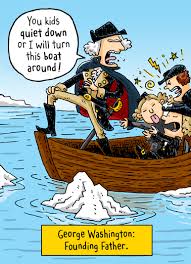
Presidents’ Day, officially Washington’s Birthday at the federal governmental level, is a holiday in the United States celebrated on the third Monday of February. It is often celebrated to honor all those who served as presidents of the United States and, since 1879, has been the federal holiday honoring Founding Father George Washington, the first U.S. president, from 1789 to 1797. – Wikipedia.

Some Fun Presidential family law facts, include:

America has only had two divorced presidents, while two widower presidents moved on to second wives while in office. And one president never got married at all.

Ronald Reagan and Donald Trump were the two presidents who divorced prior to taking office.

John Tyler and Woodrow Wilson both lost their wives during their presidency, and remarried during their term, respectively.

John Tyler had 15 children, the most of any other US president. He had eight children with his first wife, Letitia Christian Tyler, and seven with his second wife, Julia Gardiner Tyler. 

James Buchanan was unmarried at the time he was in office.

Matthew Thompson is a family law attorney in Mississippi, wishing you a Happy President’s Day!

Valentine’s Day Special!

Happy Valentine’s Day from your favorite Divorce Attorney!!

Don’t do Shady Stuff…!

Great advice from a Lawyer!

In any given situation you will have the opportunity to do what is right…or not.

Sometimes people will play on your sympathies, describe suffering awful transgressions, be subject to true unfairness and will attempt to get you to help them.

Don’t bend the rules.

Don’t bend the rules, even for the right reasons.

Matthew Thompson is a family law attorney in Mississippi and encourages parties, lawyers and the judges to not do shady stuff.

Divorce, Child Custody & Support, Alimony, Contempt, Modification, Adoption, Appeals, Corporate Counsel, Professional Licensure Issues, and Civil Litigation.